Paradise Halved
Kashmir Valley, 2011
“Agar firdaus bar roo-e zameen ast,
Hameen ast-o hameen ast-o hameen ast.”Translation:
"If there is a paradise on earth,
It is this, it is this, it is this.”
- Introduction
- The fight for freedom
- Enforced disappearances and half-widows
- Shamima's story
- Rafiqa's story
- Martyr's graveyard
- Rahat Ghar
- Snapshots of Kashmir
Truthfully, my deep love for Kashmir can probably be traced back to my early childhood years watching Bollywood movies set in the valley. I marveled at the lush greenery, rugged terrain, snow-capped mountain ranges, crystalline lakes and fields of saffron and wildflowers. It had to be, in my mind, the closest thing to paradise on earth.

Shikara (wooden boats, some used as floating homes) on Dal Lake

Horse grazing in a meadow in Gulmarg, a popular tourist destination

Villagers in a residential neighborhood close to the city center

Slice of life

Villagers of Naranag, in the foothills of the Pir Panjal mountain range

Outside Hazratbal Shrine, believed to house relics related to the Prophet Muhammad, PBUH


The fight for freedom
In reality, however, Kashmir has been plagued by wars since 1947 and is the most heavily militarised zone in the world. Still a disputed territory today, 43% of the state (Jammu, Kashmir Valley, Ladakh, Siachen Glacier) is currently administered by India, 37% (Azad Kashmir, North Gilgit, North Baltistan) is administered by Pakistan, while a portion (Aksai Chin) has been claimed by China. In addition to that, several nationalist groups within Kashmir have been fighting for complete independence from all three countries.
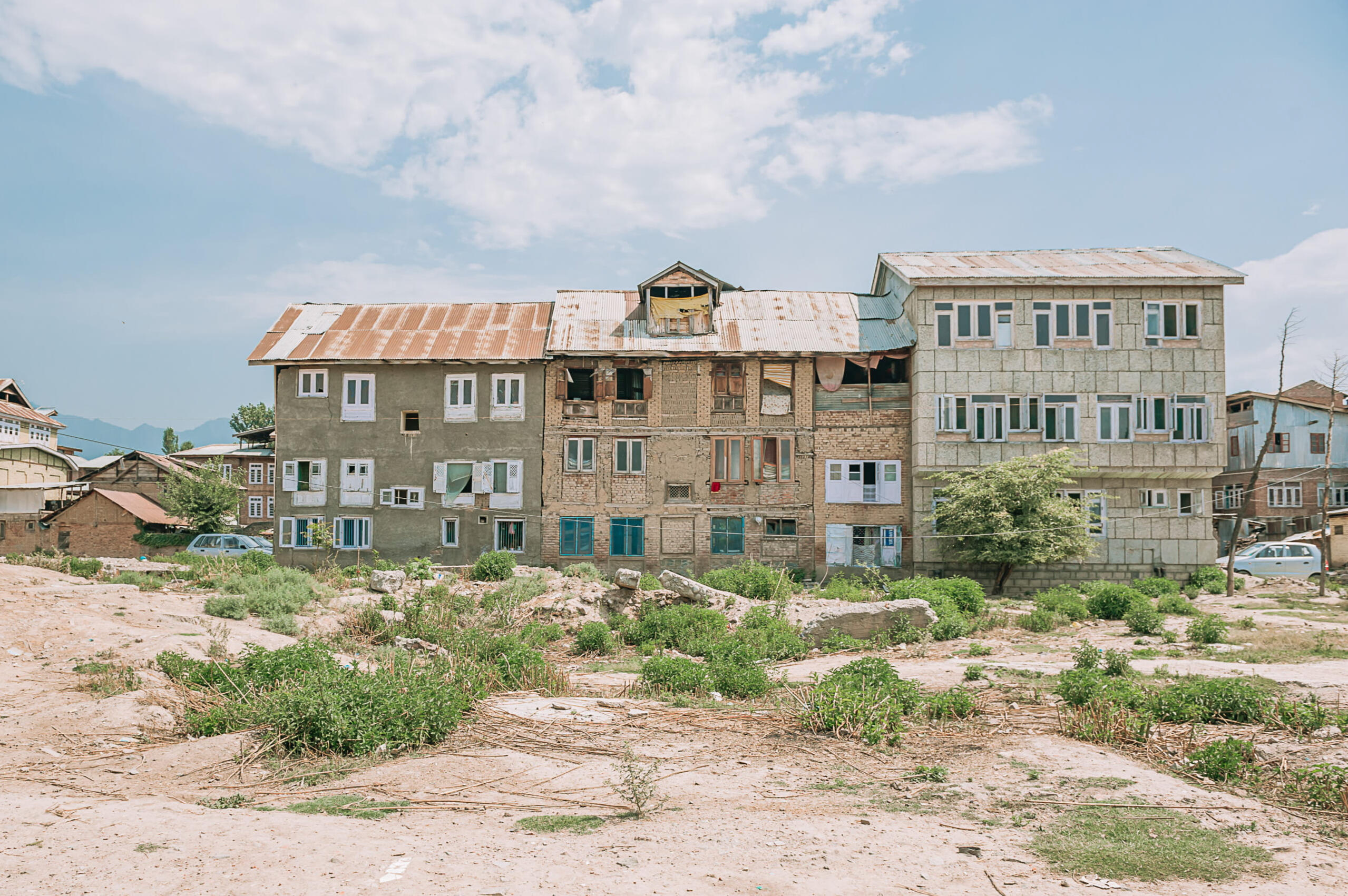
Although most of the anti-Indian sentiments around Srinagar have been cleaned up by order of the Indian government, one can still easily find many remnants of the city's past during the peak of its turbulence, scrawled angrily on public property.


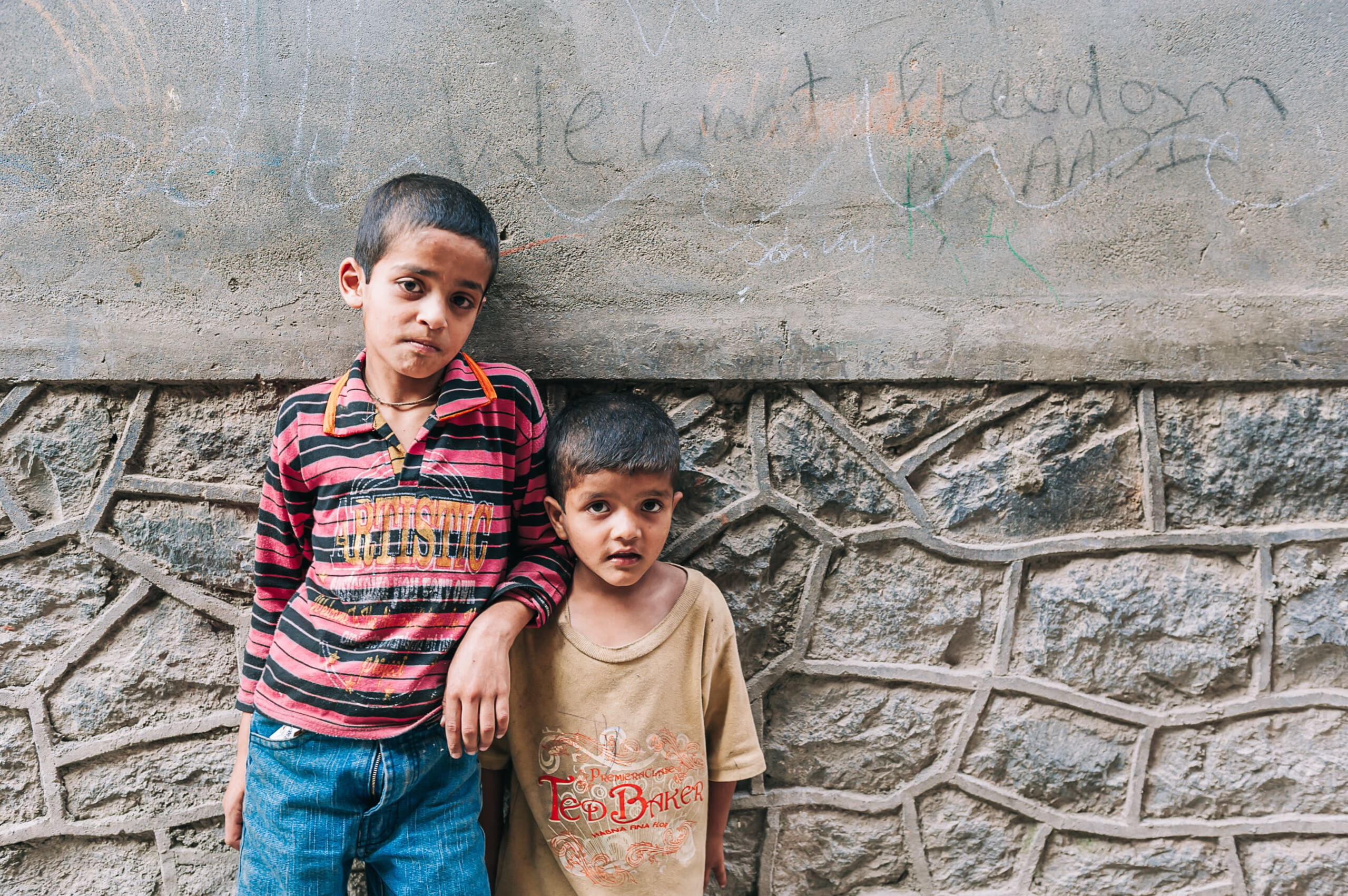
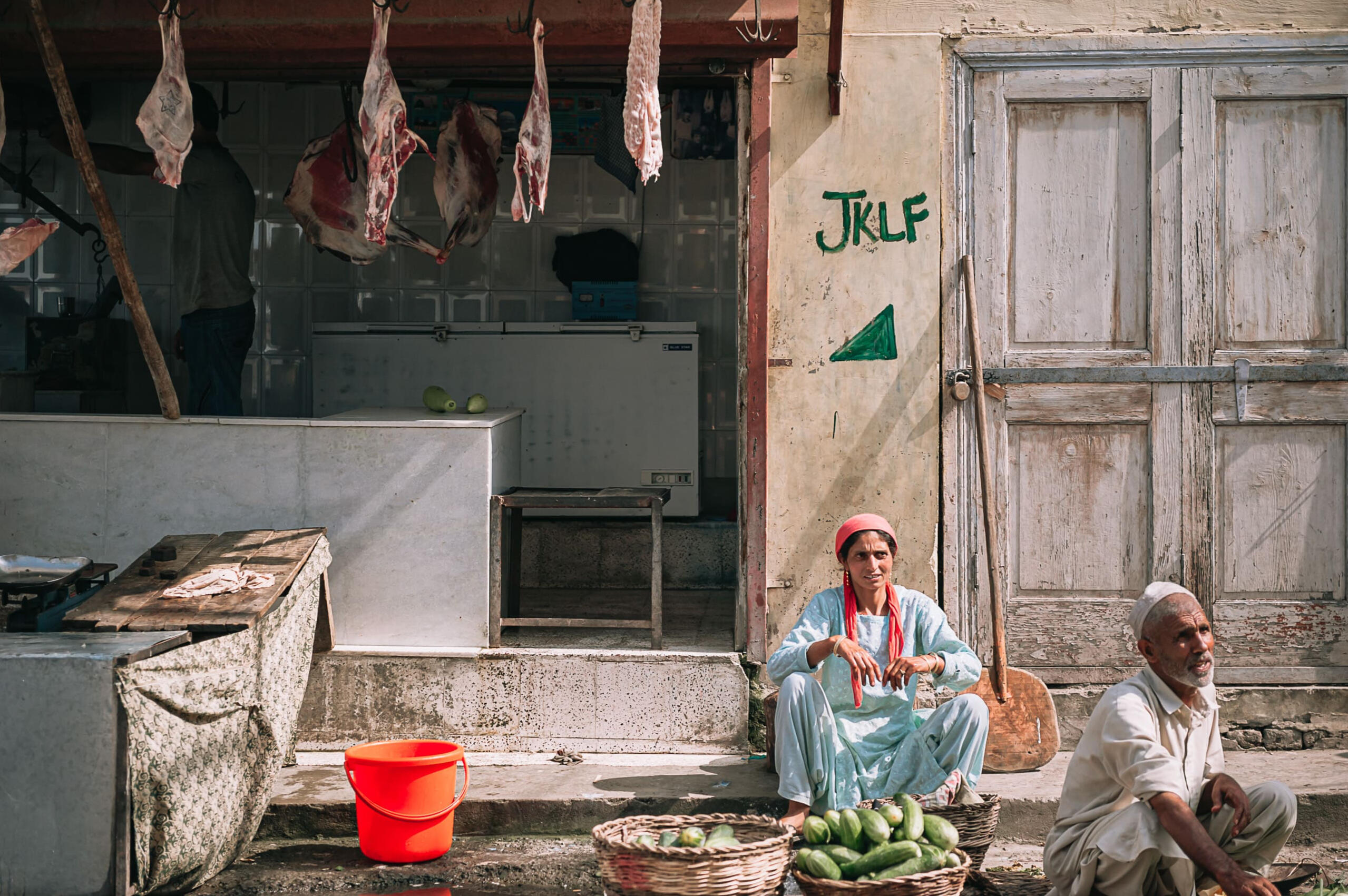
JKLF: Jammu Kashmir Liberation Front, a military nationalist organization
Enforced Disappearances and Half-widows
Among the many problems brought about by the state of turmoil in Kashmir is the reality of enforced disappearances. In 1989, an insurgency against Indian rule swept across the state. To suppress this uprising, the Indian army deployed large numbers of counter-insurgency security forces to Kashmir and granted them the power to take into custody anyone suspected of militancy. Many times, relatives of the arrested were promised the safe release of their loved ones after the questioning, but this promise would usually go unfulfilled with the army being shielded from accountability by impunity laws imposed by the Indian government. These include the Armed Forces Special Powers Act, Disturbed Area Act, National Security Act and Kashmir Public Safety Act. The realization that anyone at all could be arrested without trial instils fear and insecurity among the Kashmiris and aims to paralyze the dissent and resistance against Indian rule.A half-widow is a woman whose husband has been abducted by the Indian army in this manner. They face the trauma of not being able to grieve properly or find closure as they are left in a state of limbo—legally married, yet single. These half-widows often come from impoverished backgrounds and struggle financially after the disappearances as their husbands were usually the sole breadwinners of the family. Most of them spend their entire life savings trying to obtain information on their husbands' whereabouts and, being illiterate, often do not know how to initiate or navigate legal procedures.
Parveena Ahangar
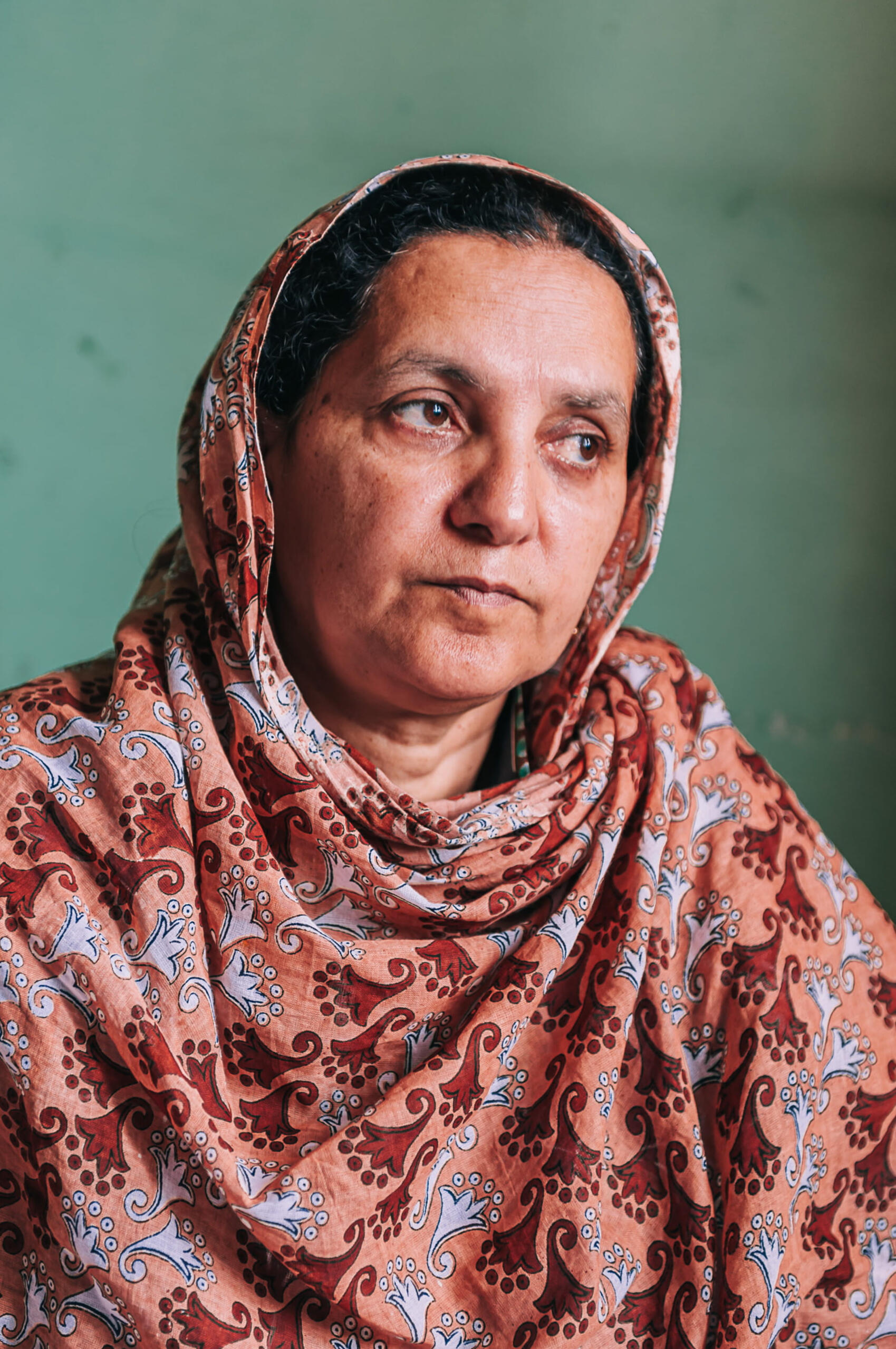
Parveena Ahangar is a lead activist against enforced disappearances in Kashmir. Her own son was taken away by Indian security forces 20 years ago. He was only 16. She never heard from him again. Fueled by her desire for justice and supported by many others in similar situations, Parveena founded the Association of Parents of Disappeared Persons (APDP) in 1994. The association is a movement that aims to heighten awareness of enforced disappearances and provide relatives with legal advice. A conservative estimate of 8,000 cases of these enforced disappearances have been recorded by the APDP.
Ezabir Ali
Ezabir Ali is the Project Coordinator of Ehsaas, a non-profit organization and civil society initiative. She has spent over 20 years dealing with psychosocial and economic issues affecting women in Kashmir. I met her during an APDP event and she became a most valuable source of information to me, as well as a wonderful friend.
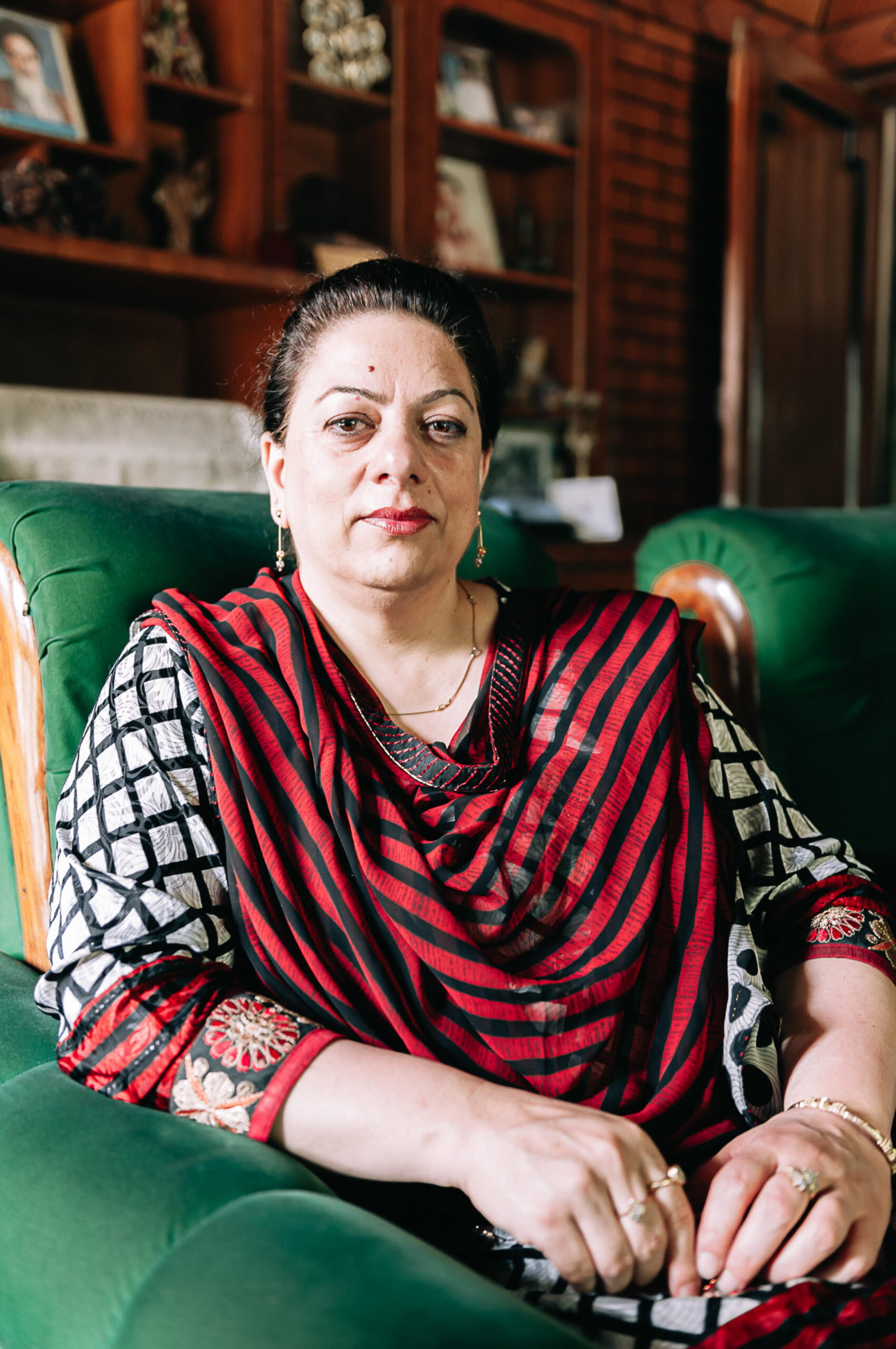
"There is a law for everyone. If there is a law for militants, why isn't there any for the army forces?"
- Parveena Ahangar on the impunity granted to the Indian army


Shamima's Story
Case file
Disappeared: Shabir Ahmad Gasi (Husband)
Year of Birth: 1977
Date of Disappearance: 21 Jan 2000
Occupation: Banana Vendor
Monthly Income: 3,000-6,000 rupees
Assistance from APDP: 3,400 rupees in 2010 alone
Additional Details: Unable to file First Incident Report (FIR), no court case, no assistance from J&K Police
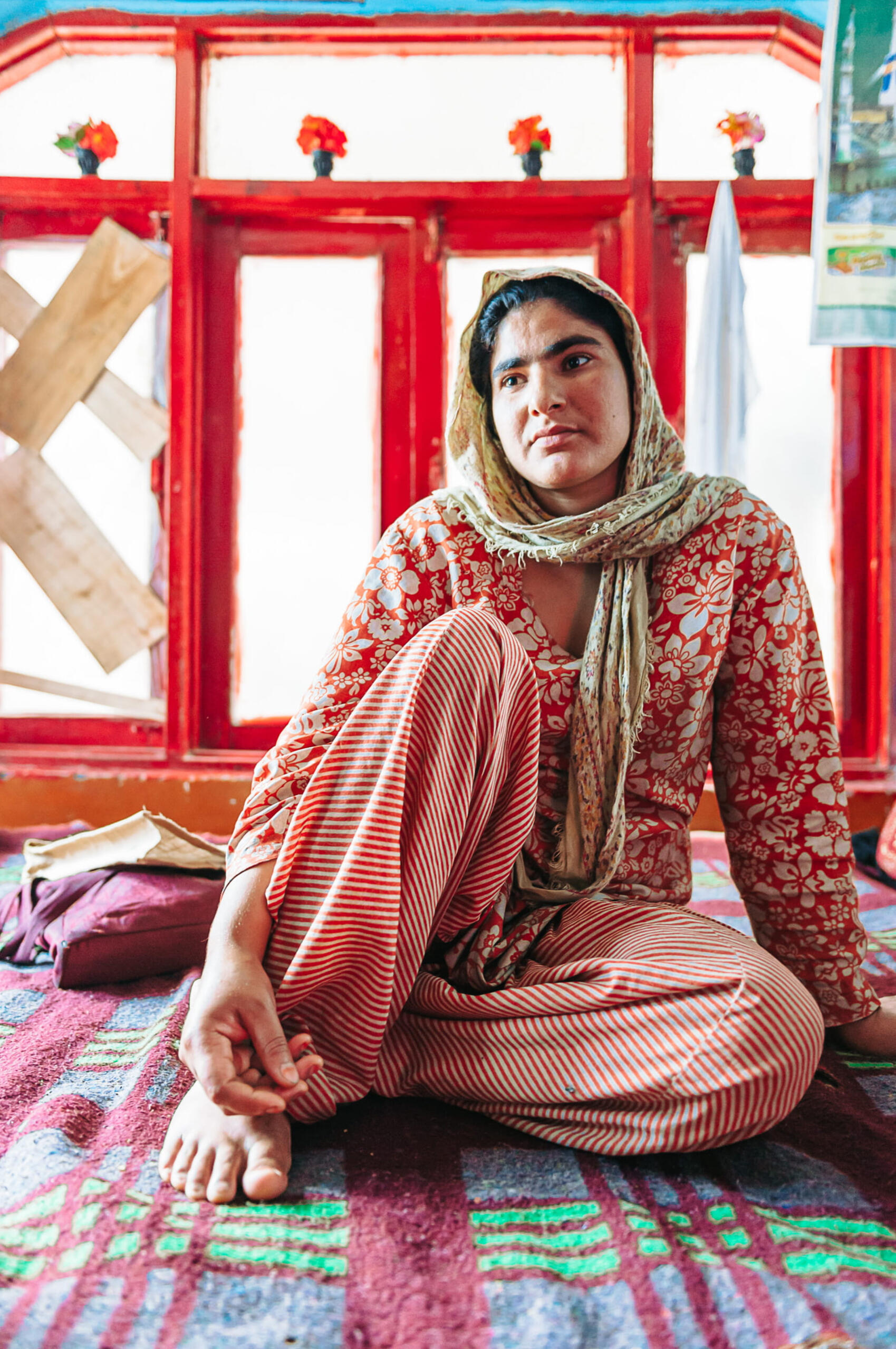
Shamima's nightmare began when her husband, Shabir Ahmad Gasi, disappeared in 2000. He was 23 at the time and was a banana vendor. He left behind two children - Waseem, now 13, and Bisma, now 11.Since her husband's disappearance, Shamima has been living with her father-in-law, Ghulam Nabi, and his second wife. His first wife (Shabir's mother) was severely depressed and passed away soon after the loss of her son. She died of a broken heart, Shamima tells me. Shamima and her children share a bedroom on the second floor of Ghulam Nabi’s three-storey house. She does not mingle with her in-laws even though they live in the same house.Like many other half-widows, Shamima refuses to lose hope that she may someday find out what happened to her husband and be reunited with him. She continues to attend protests against enforced disappearances in and around Srinagar.

Shamima in her home

Shamir's photograph takes centre stage on the wall


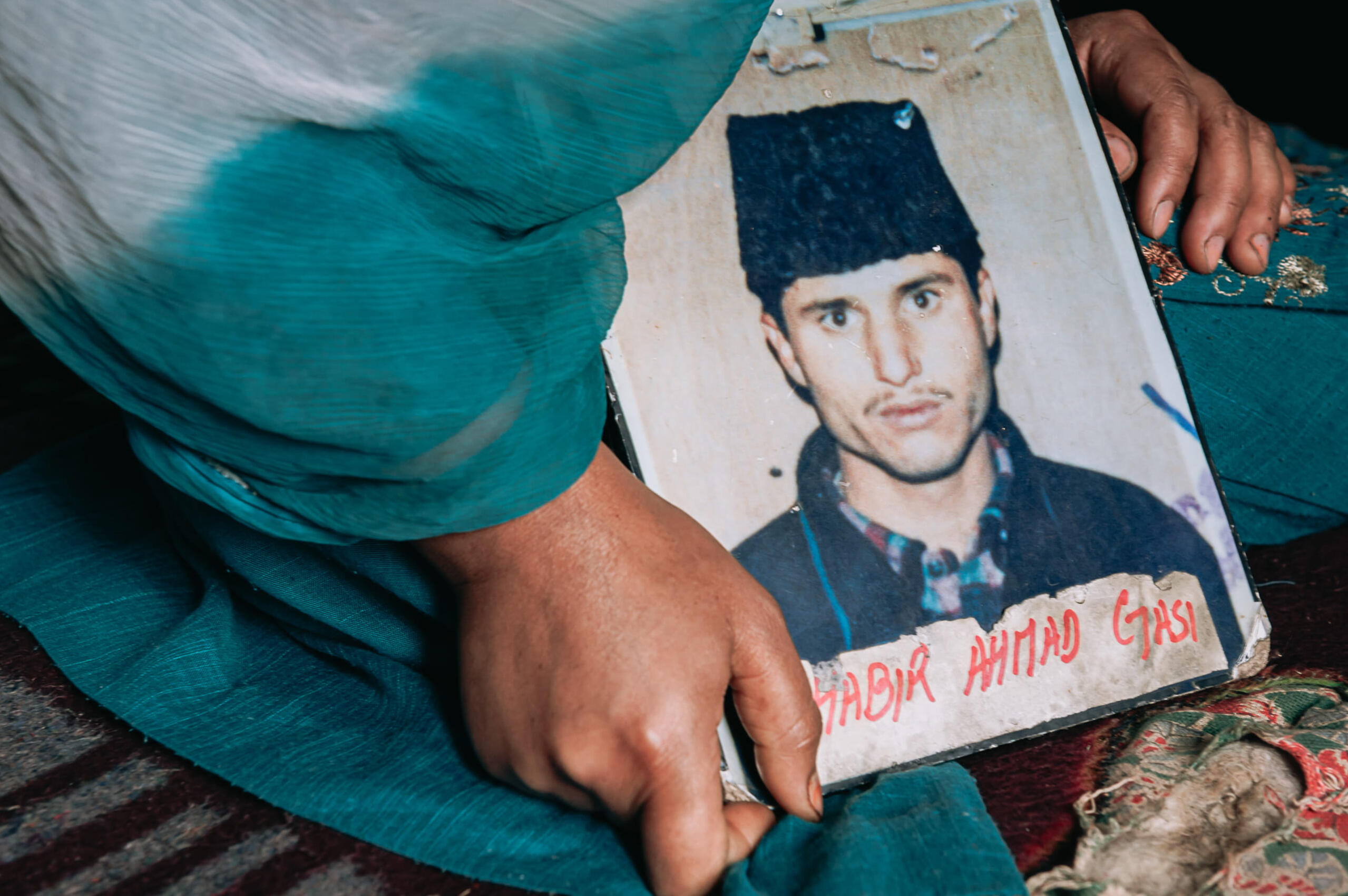
The only photograph Shamima has of her husband, this has appeared in 'Missing' posters countless times

Shamima's kitchen

Shamima's bedroom, which she shares with her two children

Shamima cleans her home

Ghulam Nabi (Shamima's father-in-law) runs a small shop at the entrance of the house

Ghulam Nabi's wife prepares a meal in her kitchen

Waseem (Shamima's son) plays a game of hide and seek with his friend


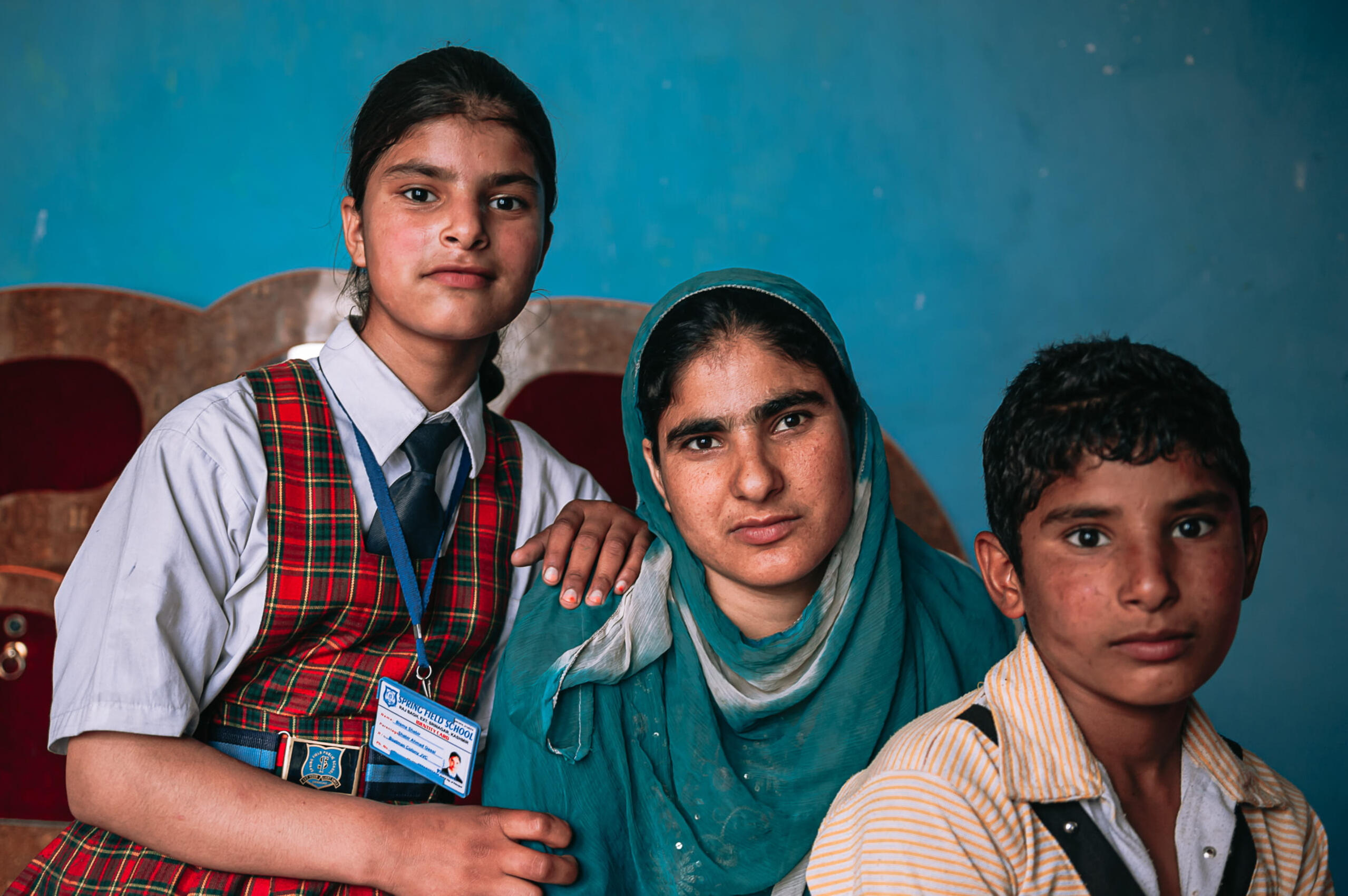
Shamima with her children, Bisma and Waseem
Rafiqa's Story
Case file
Disappeared: Mushtaq Ahmad Khan (Husband)
Year of birth: 1973
Date of disappearance: 13 April 1997
Occupation: Casual Labour (Social Forestry, Forest Department)
Monthly income: <3,000 rupees
Assistance from APDP: 2,200 rupees in 2010 alone
Additional details: First Incident Report (FIR) lodged successfully, court case filed in High Court
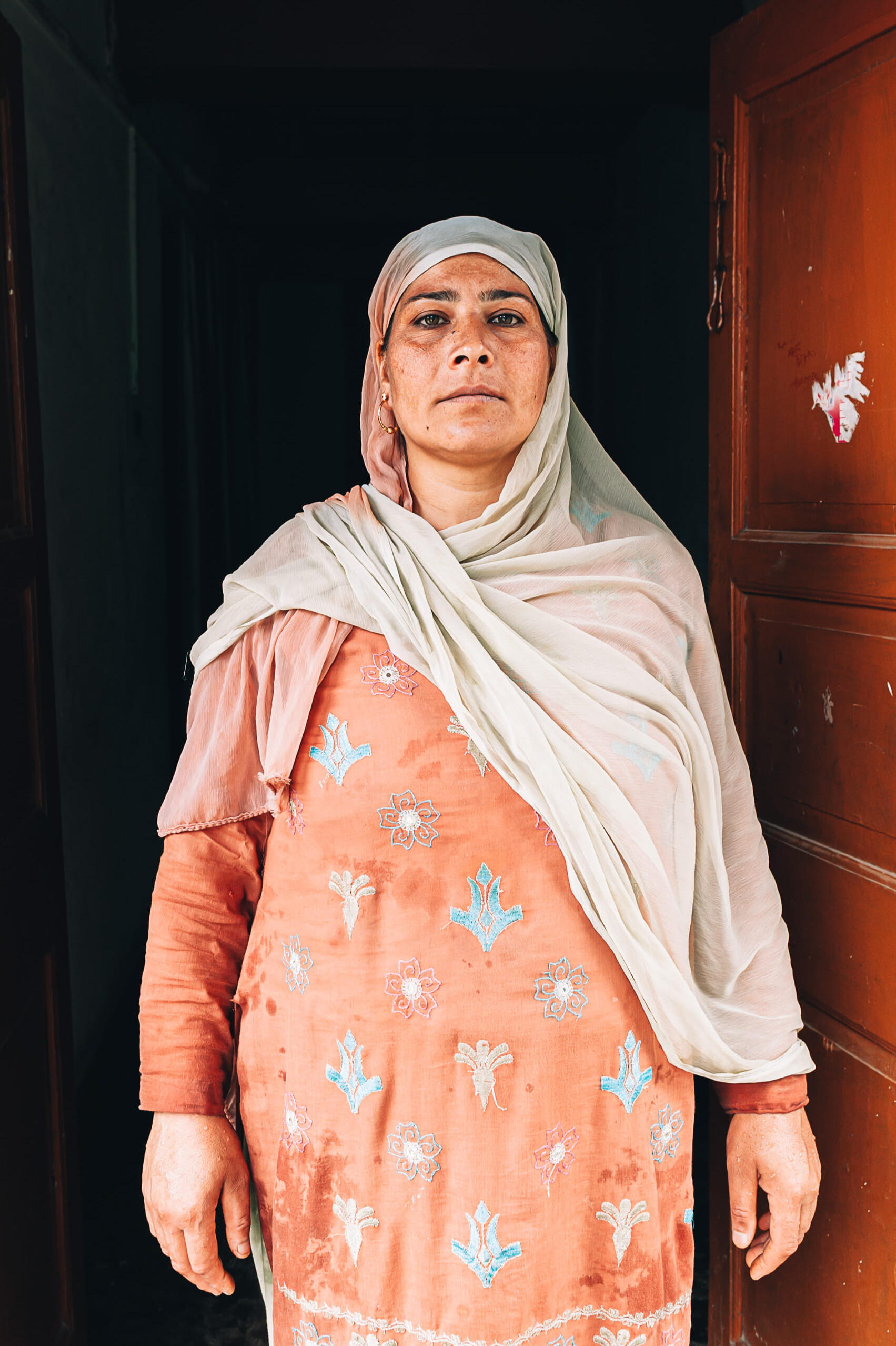
Rafiqa recalls vividly the night her husband, Mushtaq Ahmad Khan, "disappeared". It was in 1997 and she was pregnant with Farzana, now 14. They were fast asleep when uniformed soldiers from the Indian Security Force broke into her home and seized him. When she tried to stop them, one of the soldiers shoved her out of the way and threatened to shoot her. Their three older sons witnessed the whole ordeal.Since Mushtaq's disappearance, Rafiqa has been working to support herself, her four children and her mother-in-law.
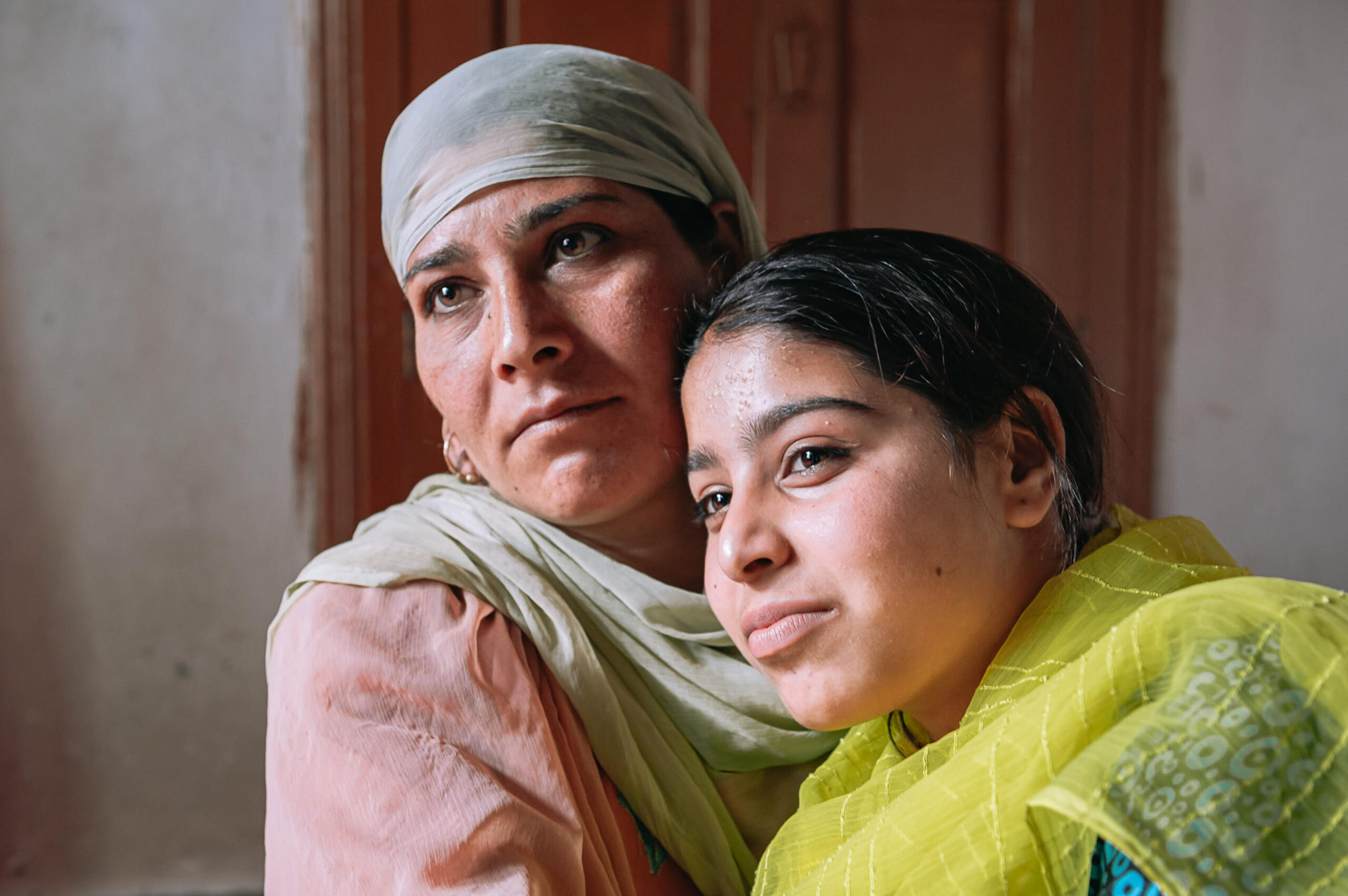
Rafiqa with her daughter, Farzana

The courtyard of Rafiqa's home

Peering into her room are her son, Fazil, and her mother-in-law, Rathe

Rafiqa prepares Kashmiri chai

Farzana has never met her father as he was taken before she was born


"Lest you forget..."
The birth of graves
Born out of the flames of state violence, resistance, and the struggle for self-determination, Mazar-e-Shuhada (Martyr's Graveyard) in the western outskirts of old Srinagar is a quiet, peaceful oasis irrigated by the blood of fallen freedom fighters and victims of conflict. To date, the graveyard is the resting place of more than 1,500 bodies.


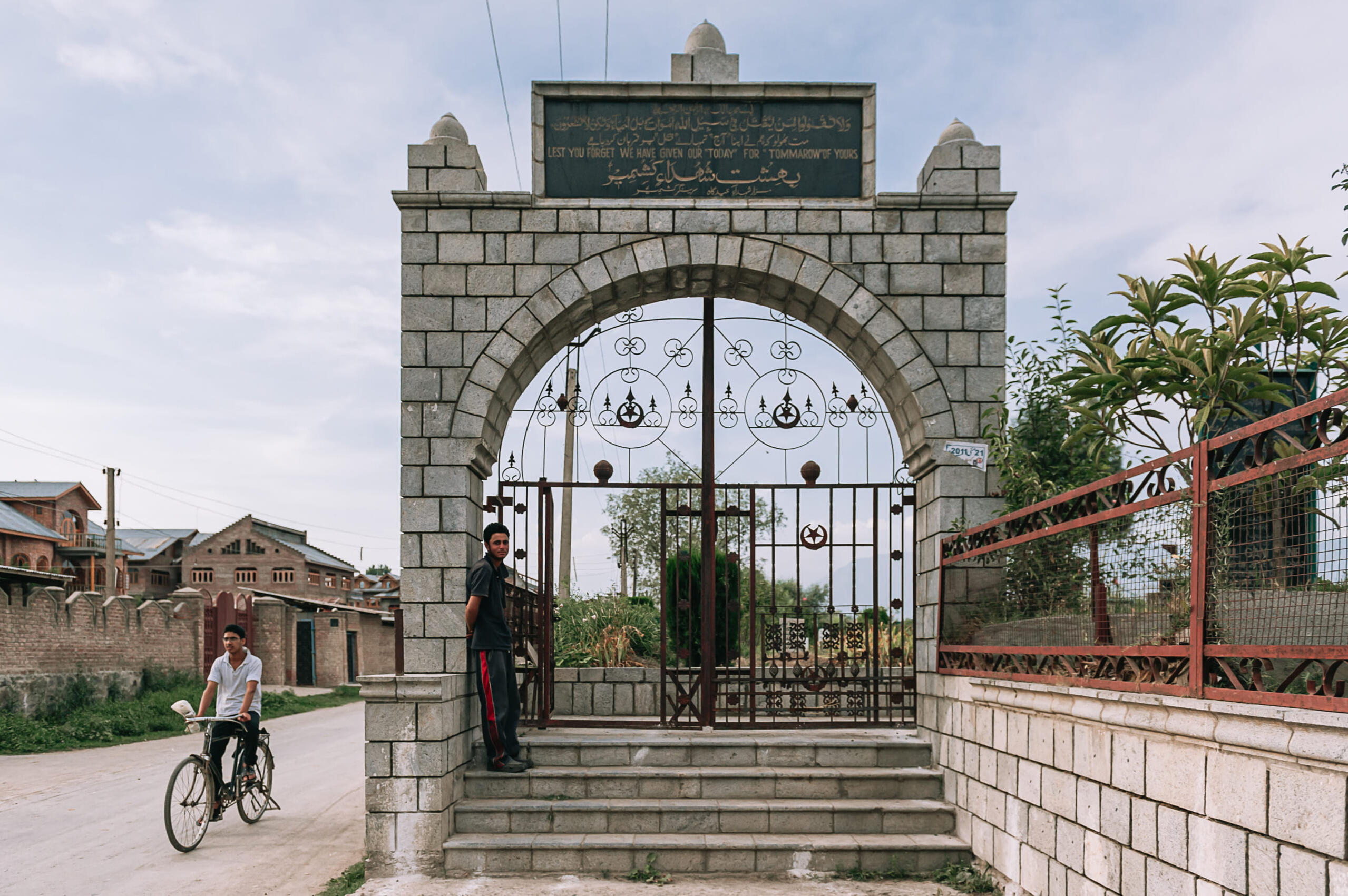
Inscribed above the entrance gate of the graveyard is the phrase, Lest you forget we have given our "today" for "tomorrow" of yours.
Rahat Ghar
Rahat Ghar (meaning "House of Solace") is a shelter dedicated to more than 80 militancy-affected widows or half-widows and their children, providing them with safe housing, trauma counseling, health services, formal education, and vocational training. Run by the Guild of Service, it is a three-storey building with eight large bedrooms, a kitchen and dining room, and an activities area where several life skills are taught. In order to maintain a family-like structure, each mother takes care of 6 children. The children attend a public school nearby and the Guild supplies most of their uniforms and books. The aim of the shelter is to foster a space for women and orphaned children to empower themselves and achieve financial independence while leaning on their community.
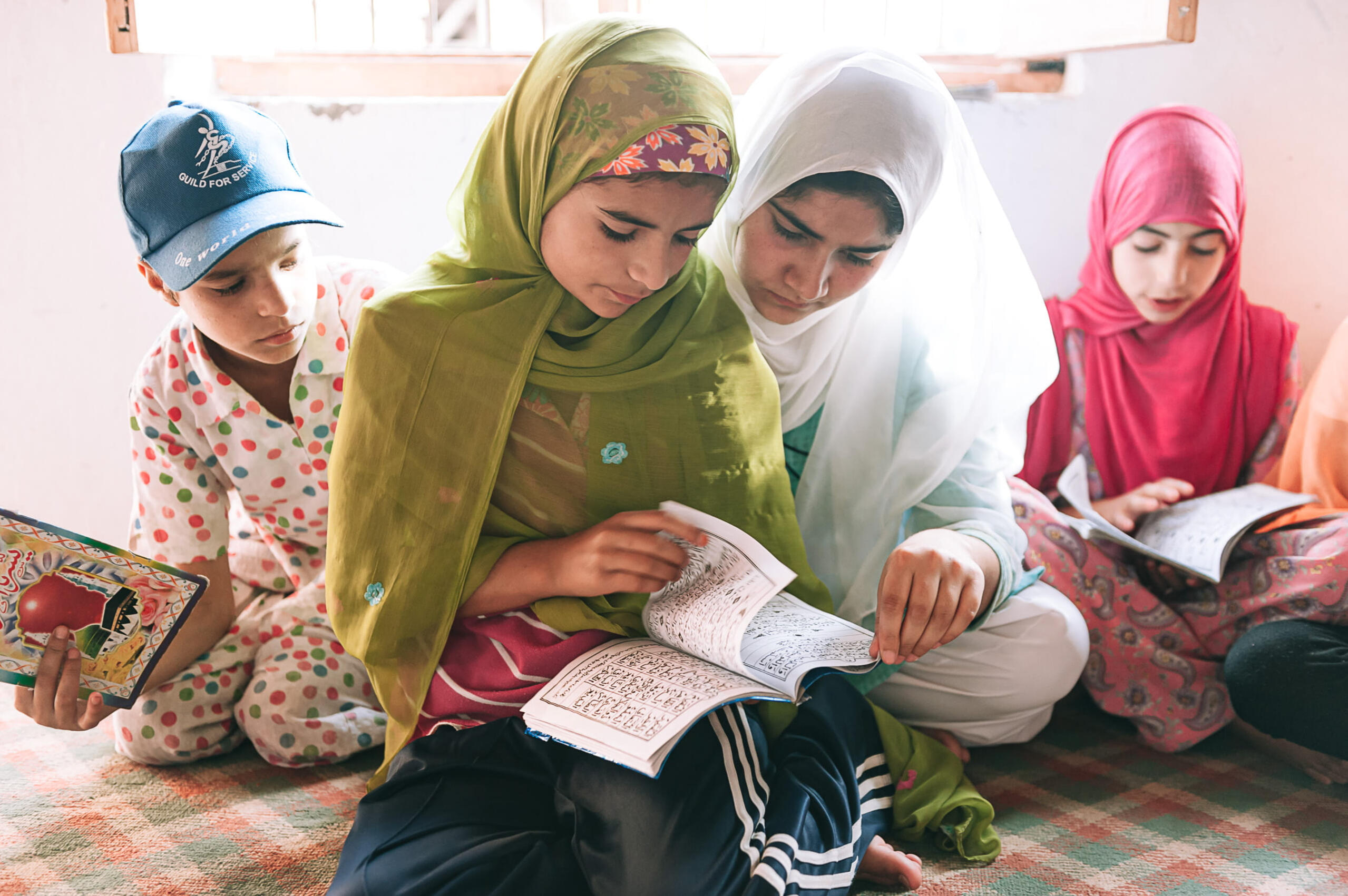
Children in Rahat Ghar learn to read the Qur'an.

Literacy is one of the core objectives at Rahat Ghar

A worker at Rahat Ghar shows me around the shelter

A bedroom in the shelter

Kitchen area

Working in the community garden

Tending to livestock

Some time is set aside daily for the children to take part in outdoor activities

This playtime helps children build friendships and cope with their psychological trauma


Snapshots of Kashmir
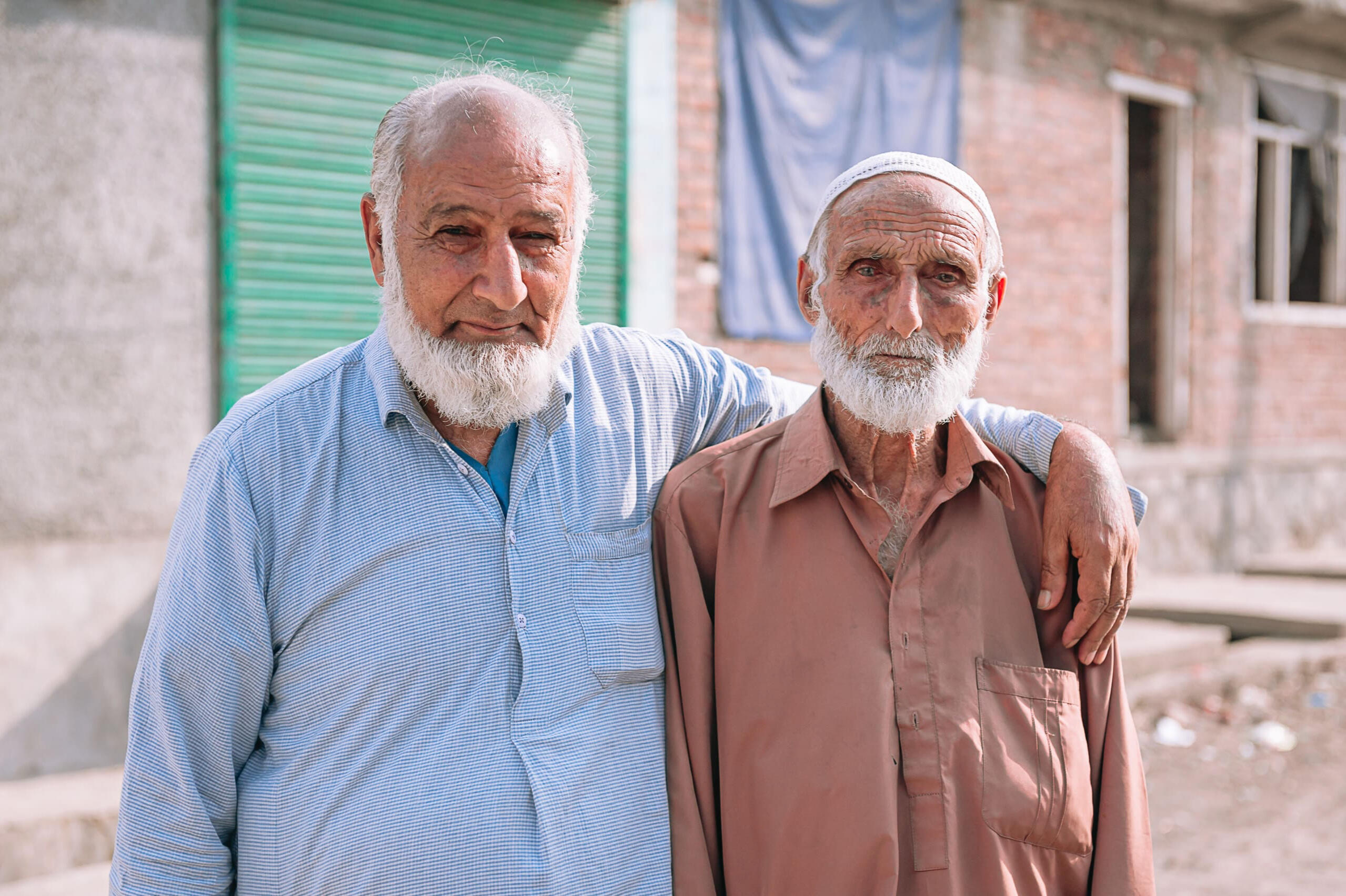





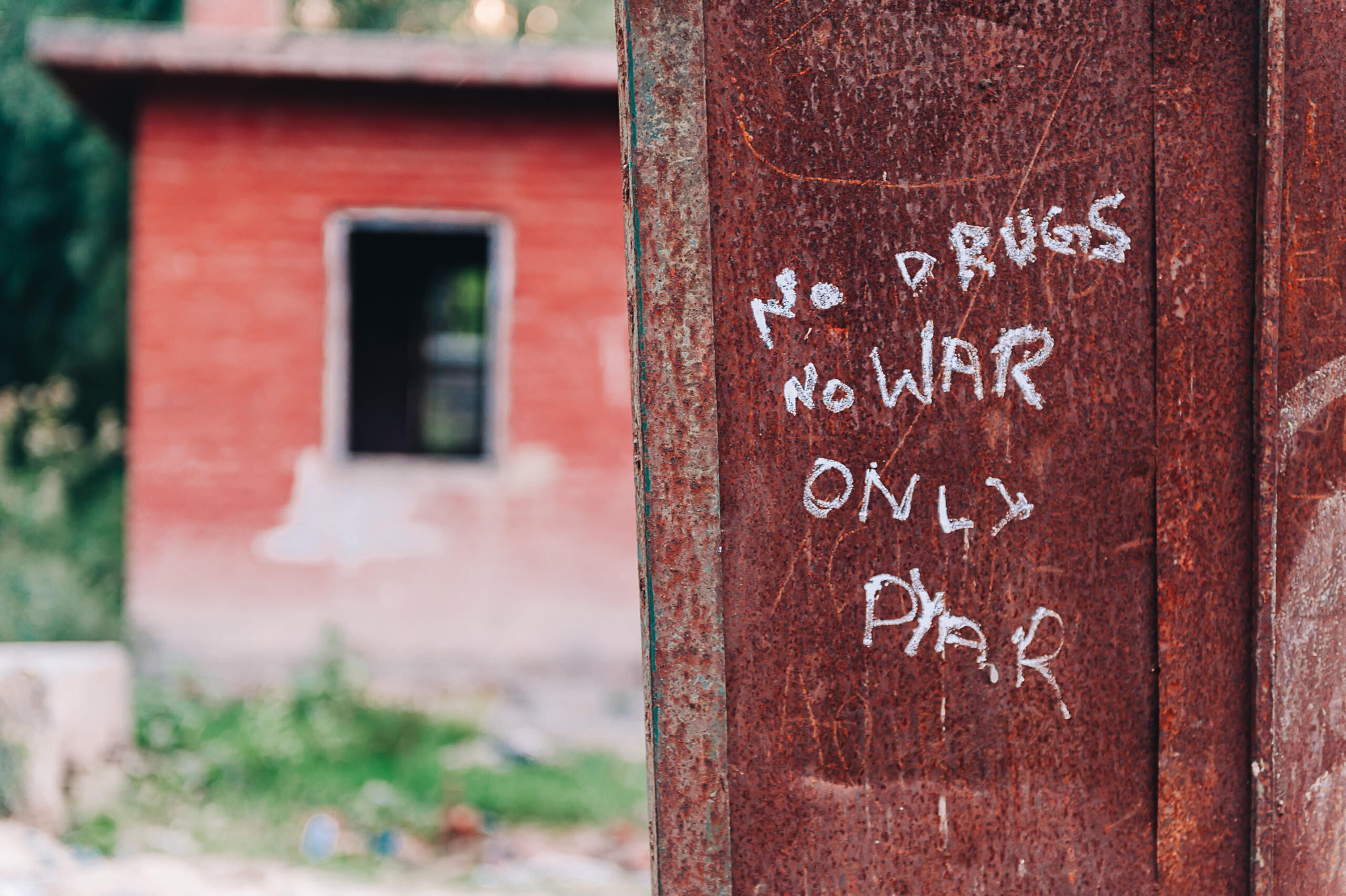
*Pyar: Love
© Nadia Binte Mohd Kamil. All rights reserved.